The Ultimate Guide to Car Key Types, Replacement Costs & Where to Find Help FAST

Remember the days of simple metal car keys? The kind you could jiggle in the ignition if it got a little sticky, or easily duplicate at the local hardware store for a few bucks? Those days are fading fast as car security has become increasingly sophisticated. Today, car keys have evolved into high-tech smart fobs, packed with features like remote start, keyless entry, and even the ability to summon your car to your location. But with this increased convenience comes a potential downside: the loss or damage of your smart key can turn into a major headache, not to mention a serious hit to your wallet.

The evolution of car keys is fascinating, showcasing the rapid advancements in technology within the automotive industry. From basic metal keys to transponder keys with embedded chips, and now to smart fobs with intricate electronic components, the changes have been significant. While these advancements have undoubtedly improved security and convenience, they have also made the process of replacing lost or damaged keys far more complex and expensive.

The cost of replacing a car key can vary wildly depending on the make and model of your car, the type of key you need, and where you choose to have it replaced. It’s not uncommon to face a bill of several hundred dollars, especially if you need to have the key programmed into your car’s specific immobilizer system. Even worse, if you lose all your keys, you may be looking at the need for a whole new set, along with the potential for a tow to the dealership.

That’s where this blog comes in. We’ll delve into the different types of car keys, from traditional metal keys to the latest smart fobs, explaining the technology behind them and the security features they offer. We’ll explore the various replacement options available, whether it’s going through the dealership, using a locksmith, or even attempting a DIY replacement if possible. And of course, we’ll discuss the factors that influence the cost of replacing your car keys, giving you the knowledge you need to make informed decisions and potentially save yourself some money.


Decoding Car Key Types

Understanding the different types of car keys can help you appreciate the evolution of automotive technology and security. Each type offers a unique blend of convenience, security, and cost.

Traditional Keys: These are the simplest and oldest forms of car keys. They are essentially cut metal blades designed to fit the unique pattern of your car’s door lock and ignition.

  • Design: A single, solid piece of metal, typically brass or nickel silver.
  • Operation: Manually inserted into the lock cylinder and turned to unlock and start the car.
  • Security: Very low. Easily duplicated by locksmiths or even hardware stores.
  • Pros: Simple, inexpensive to replace.
  • Cons: Offers no theft deterrent features.
  • Replacement Cost: $5 – $20


Transponder Keys: A major step up in security, transponder keys contain a small microchip (RFID) embedded within the plastic head of the key. This chip communicates with a receiver in your car’s ignition system.

  • Design: Similar to traditional keys but with a thicker plastic head.
  • Operation: The chip activates when inserted, allowing the car to start.
  • Security: Moderate. Requires specialized equipment to duplicate.
  • Pros: Deters most car thieves who lack the tools to bypass the immobilizer.
  • Cons: More expensive to replace, may require programming by a dealership or locksmith.
  • Replacement Cost: $50 – $150+ (programming costs may vary)


Key Fobs (Remote Keys): These are the most common type of car keys today. Key fobs combine the convenience of a remote control with the functionality of a traditional or transponder key.

  • Design: Buttons on a plastic fob transmit radio signals to the car.
  • Operation: Wireless locking/unlocking, trunk release, panic alarm, and sometimes remote start.
  • Security: Varies depending on whether it’s paired with a traditional or transponder key.
  • Pros: Highly convenient, increased range compared to smart keys.
  • Cons: Batteries can die, and signals can be blocked or jammed.
  • Replacement Cost: $75 – $300+ (higher for luxury brands or advanced features)


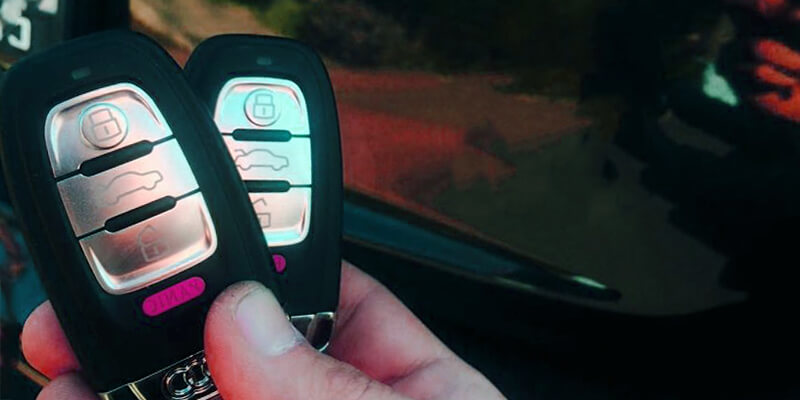
Smart Keys (Keyless Entry): These advanced keys use proximity sensors to detect your presence. They allow you to unlock the doors by touching the handle and start the car with the push of a button.

  • Design: Sleek and compact, often with a hidden mechanical key blade for emergencies.
  • Operation: Passive entry/start based on proximity detection.
  • Security: High. Complex rolling code encryption makes duplication difficult.
  • Pros: Ultimate convenience, high theft deterrent.
  • Cons: Most expensive to replace, can be susceptible to relay attacks by sophisticated thieves.
  • Replacement Cost: $200 – $500+ (usually requires dealer programming)


Switchblade Keys: These are a stylish variation of the key fob. A button on the fob releases the metal key blade, which folds out like a switchblade knife.

  • Design: Compact and convenient, with a spring-loaded key blade.
  • Operation: Similar to a traditional key or transponder key.
  • Security: Depends on the underlying key type (traditional or transponder).
  • Pros: Aesthetically pleasing, less bulky than some key fobs.
  • Cons: The mechanism can wear out over time.
  • Replacement Cost: $100 – $300+


The Factors Influencing Car Key Replacement Costs

Replacing a car key isn’t always a straightforward process, and the cost can vary significantly. Several factors play a role in how much you’ll end up paying:

  1. Type of Key: As detailed in Section 1, the type of car key you need to replace is the most influential factor in the overall cost. Traditional keys are the cheapest, while smart keys with keyless entry are the most expensive.
  2. Year, Make, and Model of Car: Newer cars, especially luxury or high-end models, tend to have more sophisticated key systems. These advanced keys often require specialized programming and parts, which drive up the replacement cost.
  3. Availability of a Spare Key: If you have a working spare key, the replacement process is much simpler and less costly. You can often duplicate the key at a locksmith or hardware store without needing to involve the dealership.
  4. Where You Get the Key Replaced: Your options for replacing a car key include:
  • Dealerships: Often the most expensive option, but they guarantee original parts and programming.
  • Automotive Locksmiths: Usually more affordable than dealerships and often offer mobile services.
  • Online Retailers: This can be the cheapest, but you might need to program the key yourself or find a local locksmith to do it.
  1. Programming Requirements: Many modern car keys, particularly transponder keys and smart keys, require programming to communicate with your car’s specific immobilizer system. This programming can be done by dealerships, locksmiths, or sometimes yourself if you have the necessary equipment.
  2. Emergency vs. Non-Emergency Replacement: If you lose your keys and need a replacement immediately, expect to pay a premium for emergency service. Planning ahead and getting a spare key made can save you a lot of money in the long run.


Cost Breakdown:

Key Type Dealership Locksmith Online Retailer
Traditional $15-$50 $10-$30 $5-$20
Transponder $75-$200+ $50-$150 $25-$75
Key Fob $100-$350+ $75-$250 $50-$150
Smart Key $250-$600+ $200-$400 $150-$300


Where to Get Your Car Key Replaced

Dealerships:

  • Pros: Dealerships are the official source for your car’s brand, guaranteeing that you’ll receive a genuine key that is compatible with your specific model. They also have trained technicians with expertise in the complexities of modern car key systems, especially those with advanced features like keyless entry and immobilizers. This ensures proper programming and functionality.
  • Cons: The main drawback of dealerships is the cost. They often charge a premium for both the key itself and the labor involved in cutting and programming it. Additionally, you might need to schedule an appointment and wait for a while, which may not be ideal if you’re in a hurry.

Automotive Locksmiths:

  • Pros: Locksmiths specializing in automotive services offer a convenient alternative to dealerships. They often have faster turnaround times, sometimes even providing mobile service to your location. Their prices are generally more affordable than dealerships, as they have lower overhead costs.
  • Cons: While many locksmiths are reputable and use genuine parts, some might use aftermarket keys that could be less reliable or compatible. It’s crucial to choose a trustworthy locksmith with a good reputation and experience in handling your car’s specific key type.

Online Retailers and Mobile Services:

  • Pros: Online retailers and mobile key replacement services often boast the lowest prices due to reduced operating costs. They provide a convenient option if you prefer ordering a key from the comfort of your home or need a replacement on the go.
  • Cons: The main concern with online options is the risk of receiving a non-genuine key that might not function correctly. Additionally, some services require you to program the key yourself, which can be challenging and might result in errors. It’s essential to research thoroughly and choose reputable providers with clear instructions and support.

“Car Key Replacement Near Me,” “Car Locksmith Near Me”:

Using these search terms on search engines like Google or Maps is a powerful way to find local options for car key replacement. These phrases are specifically tailored to your location, ensuring that the results prioritize businesses near you. This can save you time and effort in finding a suitable service provider, especially if you’re stranded or need a quick replacement. Moreover, search results often include user reviews and ratings, helping you gauge the quality and reliability of different options before making your choice.

Tips for Preventing Lost Car Key Headaches

Losing your car keys can throw a wrench in your day, leaving you stranded and frustrated. However, with a few proactive measures, you can significantly reduce the chances of misplacing your keys and the resulting inconvenience.

Make Spare Keys

It’s a simple yet crucial step. Having at least one spare key ensures you’re not completely locked out if you lose your primary set. You have several options for getting a spare key made:

  • Locksmith: A locksmith can cut and program a new key for your car, even if you don’t have the original.
  • Dealership: Your car dealership can also make a spare key, but it might be more expensive than going to a locksmith.
  • Hardware stores: Some hardware stores offer key-cutting services, but they may not be able to program transponder keys or newer keyless entry systems.

Store your spare key in a secure location at home, or give it to a trusted friend or family member for safekeeping. Consider keeping a spare in a magnetic key holder hidden on your car, just in case you get locked out while away from home.

Key Finders

 Technology offers a convenient solution to the lost key problem: Bluetooth key finders. These compact devices attach to your keyring and pair with your smartphone via Bluetooth. Here’s how they work:

  • Alarm: If you can’t find your keys, simply use your phone to trigger an alarm on the finder. The sound will help you locate the keys if they’re nearby.
  • Last Seen Location: Many finders also track the last known location of your keys, showing you on a map where they were last connected to your phone.
  • Remote Shutter: Some models even double as a remote shutter for your phone’s camera, adding another layer of functionality.

Keep a Record of Your Key Code

 Every car key has a unique code that locksmiths and dealerships use to create replacement keys. This code is usually etched on the key itself or provided on a metal tag when you get your car.

Write down this code and store it in a safe place, such as a password manager or a secure document. Having this information readily available can save you valuable time and money if you ever need a replacement key.

Insure Your Keys 

Some car insurance policies or separate key insurance plans offer coverage for key replacement. This can be a lifesaver if you lose your keys or they get stolen, as replacing modern car keys with advanced security features can be expensive.

Check your insurance policy to see if you have this coverage, or consider adding it if it’s not included. Key insurance typically covers the cost of replacing keys, reprogramming immobilizers, and even locksmith fees.

By taking these simple precautions, you can significantly reduce the chances of experiencing a lost car key headache and ensure a smoother journey on the road.

FAQs about Car Key Replacement

Losing or damaging your car key can be a frustrating experience. Here are some common questions and answers to help you navigate the replacement process:

1. I lost all my car keys. What do I do?

Don’t panic! You have several options:

  • Contact a locksmith: An auto locksmith can create a new key for you, even if you don’t have a spare. They can often come to your location.
  • Visit your dealership: Your car dealership can usually make a replacement key, but this might be more expensive than a locksmith.
  • Roadside assistance: If you have roadside assistance coverage, they might be able to help you get a new key or tow your car to a dealership or locksmith.

2. How much does car key replacement cost?

Costs vary depending on several factors:

  • Type of key: Basic keys are cheaper to replace than transponder keys (with a chip) or smart keys (keyless entry).
  • Make and model of car: Some car keys have more complex security features, making them more expensive to replace.
  • Service provider: Locksmiths may be cheaper than dealerships, but prices can vary.

Expect to pay anywhere from $50 for a basic key to several hundred dollars for a more advanced key.

3. Can I replace my car key myself?

Replacing basic keys might be possible with a DIY kit, but it’s usually not recommended. Modern car keys often have electronic components that require special programming equipment.

It’s generally best to leave car key replacement to the professionals to avoid damaging your car’s security system.

4. How long does car key replacement take?

It depends on the type of key and the service provider. Basic keys can sometimes be made on the spot, while more complex keys might require a few days to order and program.

5. Will my insurance cover car key replacement?

Some insurance policies offer key replacement coverage, but this usually comes at an extra cost. Check your policy to see what’s covered.

6. Can I prevent losing my car keys again?

Yes! Here are some tips:

  • Use a key finder: Attach a key finder device to your keychain. These devices can be tracked using your smartphone.
  • Keep a spare key: Store a spare key in a safe place at home or with a trusted friend or family member.
  • Get your key information engraved: Engrave your contact information on your key so it can be returned if found.

In conclusion, losing or damaging your car key can be a frustrating experience, but understanding your options and being prepared can save you time and money. Whether you choose to replace your key through a dealership, an automotive locksmith, or even try DIY solutions, the key is to act promptly and prioritize the security of your vehicle. Remember, using a simple online search with phrases like “car key replacement near me” or “car locksmith near me” can quickly connect you with local professionals who can provide immediate assistance. Don’t let a lost or broken key ruin your day – be proactive about your key management and stay informed about the available solutions.


Table of Contents

Powered by Top Rated Local® Call Now Button